Packaging has always played a dual role: protecting the product inside and communicating a brand’s values to the customer holding it. In recent years, that second role has grown far more important. Consumers today are paying close attention to what their purchases are wrapped in, and increasingly, they’re rewarding brands that choose sustainability over convenience. For manufacturers, retailers, and eCommerce sellers across Lahore and the rest of Pakistan, eco-friendly packaging isn’t a passing trend, it’s becoming a core expectation.
As one of the established packaging companies in Lahore, we’ve watched this shift firsthand. Businesses that once asked only about pricing and turnaround time are now asking equally important questions: Is this material recyclable? Can we reduce plastic in our custom packaging boxes? Do you offer kraft or biodegradable options? This blog explores why eco-friendly packaging matters, what sustainable options exist across different industries, and how switching to greener materials can actually strengthen your brand rather than complicate it.
Why Eco-Friendly Packaging Matters More Than Ever
The environmental cost of packaging waste is no longer an abstract concern. It’s visible in landfills, waterways, and increasingly, in customer sentiment. Studies consistently show that a growing share of consumers actively avoid brands with excessive or non-recyclable packaging, while favoring those using eco-conscious materials, even at a slightly higher price point.
This shift matters just as much for a wholesaler in Anarkali Bazar moving bulk shipments as it does for a boutique in Gulberg preparing a premium gift box. Sustainability is no longer confined to a single industry or customer segment; it touches nearly every type of packaging, from custom apparel boxes and custom clothing boxes to food packaging boxes and cosmetics packaging boxes.
For businesses, the benefits go beyond goodwill. Eco-friendly custom packaging boxes often reduce material waste, lower shipping weight, and create a more premium unboxing experience, all of which directly affect the bottom line, not just brand perception.
What Makes Packaging “Eco-Friendly”
Not every green claim on a box is created equal. True eco-friendly packaging typically falls into a few key categories, and understanding these distinctions helps businesses make informed decisions rather than following vague marketing language.
Recyclable materials: Packaging made from cardboard box packaging, corrugated boxes, or kraft boxes that can be broken down and reused through standard recycling systems. This is the most accessible starting point for most businesses transitioning away from plastic-heavy packaging.
Biodegradable materials: Materials that naturally decompose over time without leaving harmful residues. Kraft paper, certain plant-based coatings, and untreated cardboard fall into this category, making them ideal for custom printed boxes across food, retail, and gifting applications.
Reduced material usage: Sometimes the most sustainable choice isn’t a different material at all, but simply using less of it. Right-sized custom packaging boxes that fit the product precisely, rather than oversized boxes padded with filler, cut down on both material waste and shipping costs.
Reusable and durable design: Custom rigid boxes and handmade rigid boxes, when designed thoughtfully, often get reused by customers for storage rather than thrown away immediately, extending the packaging’s life well beyond a single use.
Eco-Friendly Options Across Different Industries
One of the most common misconceptions about sustainable packaging is that it only applies to a narrow set of “green” products. In reality, nearly every packaging category we work with has viable eco-friendly alternatives.
Apparel and Fashion Packaging
Fashion brands and boutiques are among the fastest adopters of sustainable packaging, largely because their customers, often younger, digitally engaged shoppers, actively seek it out. Custom apparel boxes and custom clothing packaging boxes made from recycled cardboard or kraft materials offer the same durability and branding opportunities as conventional options, without the plastic waste associated with poly mailers. Even accessory packaging, like custom printed hang tags and garment tags, can be produced on recycled or FSC-certified paper stock.
Food and Bakery Packaging
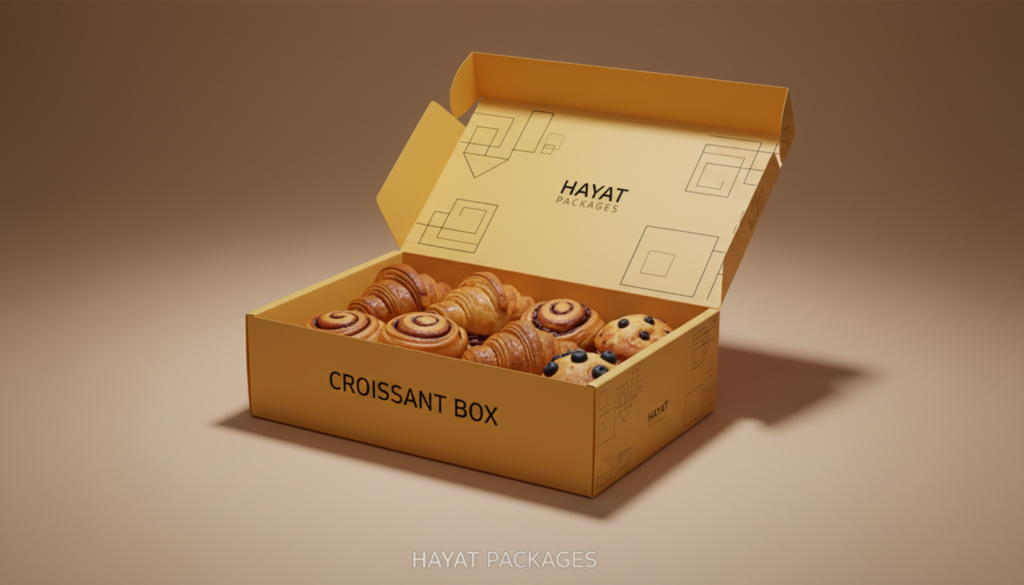
Food packaging boxes face a unique challenge: they need to be both sustainable and functional, often requiring grease resistance or moisture protection. Fortunately, kraft paper bakery boxes, compostable pizza boxes, and paper-based takeaway bags now perform nearly as well as their plastic-lined counterparts, while being fully compostable or recyclable. For bakeries, cafes, and restaurants, switching to eco-friendly food packaging boxes is often one of the most visible sustainability moves a business can make, since customers interact with this packaging directly and immediately.
Cosmetics and Beauty Packaging
Cosmetics packaging boxes have traditionally leaned heavily on plastic and mixed materials, but that’s changing fast. Rigid boxes made from recycled paperboard, paired with soy-based inks and foil-free embossing techniques, allow beauty brands to maintain a premium, luxury feel while cutting environmental impact. This matters enormously in a category where unboxing experience and shelf appeal are central to the customer journey.
Wholesale and Bulk Shipping Packaging
For wholesalers and exporters, particularly those operating out of high-volume hubs like Azam Market, sustainability at scale looks a little different. Here, the focus often shifts toward corrugated boxes and wholesale packaging boxes made from a high percentage of recycled content, along with reduced-thickness materials that maintain strength while using less raw material per unit. At bulk volumes, even small material reductions translate into significant environmental and cost savings.
Paper Bags and Retail Packaging
Paper bags have become one of the clearest symbols of the shift away from single-use plastic. Kraft paper bags, grocery bags, and takeaway bags now serve as standard replacements for plastic shopping bags across retail and food service. For retailers, offering branded paper food bags or grocery bags with custom printing turns a simple functional item into a walking advertisement, one your customers actively carry through public spaces.
The Business Case for Going Green
Sustainability initiatives are sometimes framed purely as a cost or compliance issue, but the business case for eco-friendly packaging is stronger than that framing suggests.
Customer loyalty: Brands that visibly commit to sustainable packaging often see stronger repeat purchase behavior, particularly among younger demographics who actively factor packaging into their buying decisions.
Reduced shipping costs: Lighter, right-sized custom packaging boxes and mailer boxes reduce dimensional shipping weight, which can meaningfully lower courier costs for eCommerce and wholesale businesses alike.
Brand differentiation: In competitive categories like cosmetics packaging boxes or custom rigid boxes for gifting, sustainable materials and finishes offer a genuine point of differentiation against competitors still using conventional packaging.
Regulatory readiness: As environmental regulations around packaging waste continue to tighten globally, businesses that transition early avoid the scramble, and potential cost spikes, that come with last-minute compliance.
Export competitiveness: For exporters shipping products like custom date boxes or wholesale garment shipments internationally, many overseas buyers now expect sustainable packaging as a baseline requirement, not an upsell. Meeting these expectations early can open doors to new markets.
Common Concerns About Switching to Eco-Friendly Packaging
Despite the clear upsides, many business owners hesitate before making the switch. Addressing a few common concerns directly:
“Won’t sustainable packaging cost more?” Initially, some eco-friendly materials carry a modest premium over conventional plastic-heavy alternatives. However, this gap has narrowed significantly as demand has grown, and the long-term savings from reduced shipping weight and material waste often offset the difference, particularly at wholesale volumes.
“Will it look less premium?” This is one of the most persistent myths in packaging. Kraft materials, matte finishes, and minimalist print designs have become closely associated with premium, intentional branding, not a downgrade. Custom rigid boxes and custom printed boxes made from recycled or sustainable stock can achieve a high-end look through finishing techniques like embossing, soft-touch lamination, and foil stamping.
“Is it durable enough for shipping?” Modern eco-friendly corrugated boxes and cardboard box packaging are engineered to match, and in many cases exceed, the durability of older packaging standards, thanks to improvements in fluting and material engineering over the past several years.
How to Start Transitioning Your Packaging
For businesses considering the shift, a full overnight transition isn’t necessary, and often isn’t practical. A phased approach tends to work best:
- Start with your highest-visibility packaging. For most brands, this means the box or bag your end customer physically receives: apparel boxes, food packaging boxes, or retail paper bags, since this is where sustainability messaging has the most direct impact on customer perception.
- Audit your current materials. Identify where plastic, non-recyclable coatings, or oversized packaging are currently being used, and prioritize replacing the biggest offenders first.
- Work with a packaging partner who understands both sides. An experienced packaging company in Lahore should be able to guide you toward materials that balance sustainability, cost, and durability, rather than pushing a one-size-fits-all “green” solution that doesn’t fit your product.
- Communicate the change to your customers. Simple messaging, a small printed note about recyclable materials, or a mention on your product packaging, helps customers recognize and appreciate the shift, reinforcing the brand value you’re trying to build.
Our Commitment to Sustainable Packaging Solutions
As a trusted packaging company in Lahore, we offer eco-friendly material options across our full range of products, from custom apparel boxes and custom clothing boxes, to food packaging boxes, cosmetics packaging boxes, and wholesale packaging boxes for bulk distribution. Whether you’re a boutique in DHA looking to align your brand with sustainability values, a wholesaler in Anarkali Bazar seeking cost-efficient recycled materials at scale, or an exporter needing internationally compliant custom printed boxes, we work with you to find the right balance of durability, presentation, and environmental responsibility.
Eco-friendly packaging isn’t about compromising on quality or brand impact. It’s about recognizing that today’s customers see packaging as an extension of the product itself. Businesses that get this right don’t just reduce their environmental footprint; they build stronger, more trusted relationships with the people buying from them.
Certifications and Standards Worth Knowing
As sustainable packaging becomes more mainstream, a handful of certifications and material standards have emerged as reliable indicators of genuine eco-friendliness, rather than vague marketing claims. Understanding these can help businesses, especially exporters, communicate credibility to buyers who expect verifiable sustainability claims rather than generic “eco-friendly” labeling.
FSC certification confirms that paper or cardboard materials come from responsibly managed forests, a detail increasingly requested by international buyers sourcing custom printed boxes or wholesale packaging boxes from overseas manufacturers.
Recycled content percentage is another meaningful metric: packaging made from a high percentage of post-consumer recycled material carries more environmental weight than packaging simply labeled “recyclable,” since recyclability alone doesn’t guarantee the material was actually produced sustainably.
Biodegradable and compostable certifications matter most for food packaging boxes and paper bags, where the packaging is likely to end up in general waste rather than a formal recycling stream. Certified compostable materials break down safely under standard composting conditions, rather than lingering as microplastics or non-degradable waste.
For businesses new to sustainable packaging, it’s worth asking your packaging company in Lahore directly which of these standards their materials meet. A credible partner should be able to answer clearly, rather than relying on general “eco-friendly” language without specifics.
Final Thoughts
The shift toward eco-friendly packaging reflects a broader change in how customers evaluate the brands they support. It’s no longer enough for a product to be good; the experience surrounding it, starting with the box it arrives in, needs to reflect the same care and values. Whether you’re exploring kraft boxes, recycled cardboard box packaging, or sustainable custom rigid boxes for the first time, the transition is more achievable, and more rewarding, than many businesses expect.
If you’re ready to explore sustainable packaging options for your business, reach out to discuss custom quotes, material samples, and design consultations tailored to your industry and product line.
Ready to Make the Switch?
Upgrade your packaging without compromising on quality, durability, or brand impact. Get in touch today for a free consultation and custom quote on eco-friendly packaging solutions tailored to your business.
Visit Us: Hayat Packages Eco – A Packaging Service Company
Contact Us: 0323 0007800